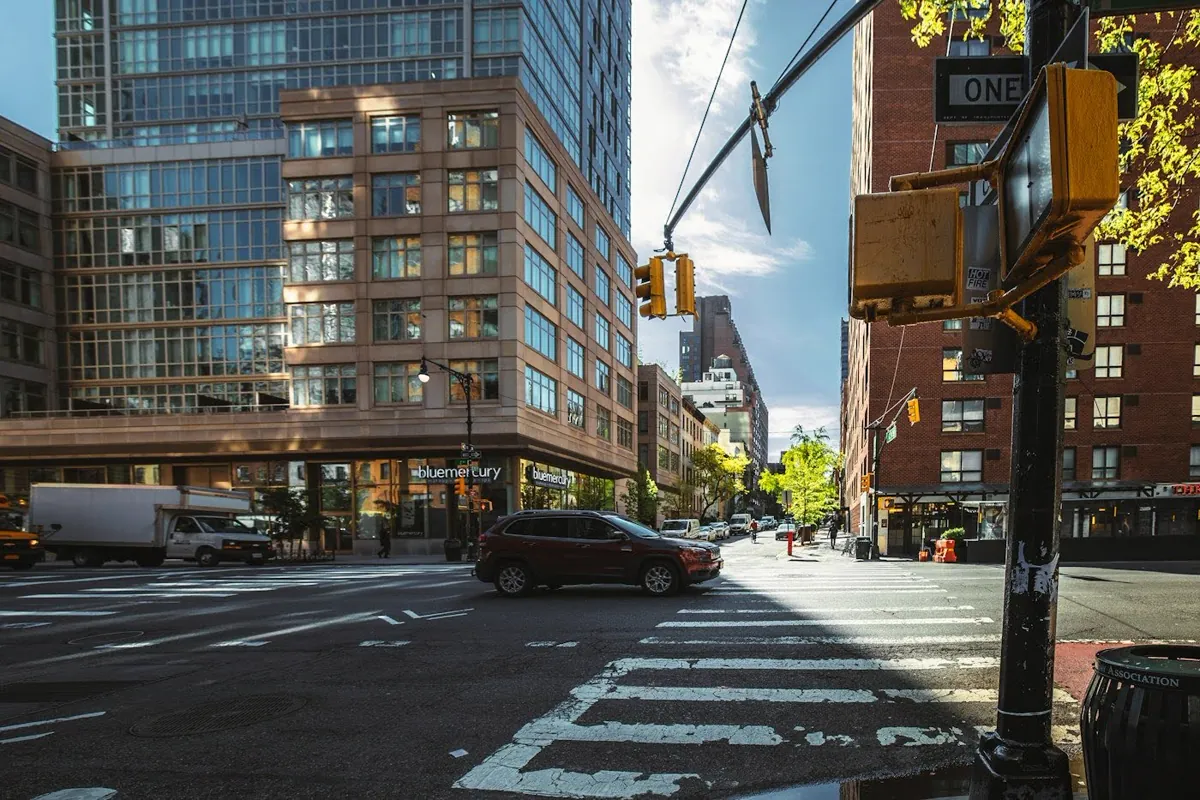
One driver says the other car ran a red light. The second driver insists the light was yellow. Both are shaken, both tell their insurer a different story, and the police report does not answer every question. What happens next?
If you are asking who is at fault in a California car accident, start with the evidence. Photos, witness accounts, reports and the duties each driver owed help explain what happened. A confident accusation does not settle the issue, and responsibility can be shared.
Why two drivers can remember the same crash differently
Crashes happen quickly. A driver focused on turning may have a different view of an approaching car than someone traveling straight through the intersection. Noise, impact and stress can make details harder to recall afterward.
That does not make every account equally reliable. Investigators and insurance adjusters look for ways to compare statements with independent information. The exact sequence of events is often more useful than a heated argument about who should apologize.
What evidence helps establish fault?
Photos of vehicle positions and road conditions
If it is safe to do so, photographs taken after a collision may document damage, road markings, traffic signals, debris, skid marks and relevant sightlines. Photos cannot always show how fast someone traveled or what a light displayed before impact, but they can help test whether a description is consistent with the scene.
Witnesses who are not involved
An independent witness may have seen a vehicle enter an intersection or change lanes. The value of a statement depends on what the witness could actually observe, how clearly they remember it, and whether their account matches other evidence.
Police and collision reports
An officer may record statements, a diagram, observed damage and a primary collision factor. A police report can be important, but it does not automatically make a final civil liability decision. If an account or fact in a report is disputed, other reliable evidence may still matter.
Narayan Law has a separate guide explaining how to request a California Highway Patrol accident report and what the document may contain.
Video, vehicle data and other records
Traffic cameras, business security systems, dashcams and available vehicle information may help explain timing or movement. Whether records exist, can be obtained and are reliable depends on the case. Some footage is overwritten quickly, so identifying possible sources early can be useful.
Does the driver who received a ticket always cause the crash?
Not necessarily. A traffic citation can be relevant evidence, but an injury claim examines causation as well as conduct. A driver could violate a rule without that violation being the only factor in an accident, or an officer might have limited information at the scene.
Insurers may reach different initial opinions even after reading the same report. A disagreement is a reason to examine the evidence, not proof that either insurer's conclusion must be right.
How California comparative fault works
California uses a comparative-fault framework. If more than one person contributed to an injury, responsibility may be allocated rather than treating every case as entirely one driver's fault.
The Judicial Council's CACI No. 405 explains the role of a claimant's negligence when the evidence supports it. For example, a dispute could involve one driver making an unsafe turn while another may have been traveling too fast for conditions. Whether either action contributed, and to what degree, depends on the evidence.
Avoid treating a percentage offered in an insurance letter as an established legal finding. Any allocation is fact-specific and may be disputed.
What if both drivers say the other person caused the crash?
A dispute may lead each insurance company to investigate separately. Adjusters can seek photos, statements, reports and medical or repair-related documentation. Their conclusions might change as more information is collected.
A California personal injury lawyer can assess how different evidence fits together and explain potential options in light of the facts. That evaluation is different from automatically believing one driver's account over the other.
Can a police report be challenged?
Reports can contain missing or disputed information. The procedures for addressing factual errors depend on the reporting agency. An attorney may also evaluate other documents or witness accounts when a report does not reflect all of the evidence.
Do not assume the officer has to amend a report for an injury claim to be considered. A disputed report is one piece of a wider evidence question. Narayan Law's California Highway Patrol report guide discusses this distinction in more detail.
What records should you keep?
Preserve photos you already have, the report number, available witness contact information, insurance correspondence, repair estimates and documentation of medical care. Make notes about the chronology while events are fresh, and keep original files rather than editing them.
Do not attempt to obtain restricted footage, enter private property or pressure a witness. If a potential video source may overwrite recordings, explain that concern when you speak with the appropriate professional.
Fault and the value of a claim are separate questions
Establishing responsibility is only part of a potential personal injury claim. Medical documentation, causation, available coverage and other case-specific considerations also matter. Narayan Law's separate car accident case-value guide addresses those issues without replacing an individual review.
This article is about evaluating disputed responsibility, not assigning a dollar amount or predicting a settlement.
Frequently Asked Questions
Whose fault is a car accident when both drivers blame each other?
Fault depends on evidence and California legal standards, not simply on who makes the stronger accusation. Responsibility can sometimes be shared.
Does a police report decide who pays for injuries?
No. It may be useful evidence, but the report alone is not necessarily a final determination of civil liability.
Can both drivers be at fault in California?
Yes. California comparative-fault principles may allow responsibility to be divided when supported by the evidence.
What if there are no witnesses?
Other evidence may still exist, including photographs, road conditions, reports, video or vehicle records. The available facts determine what can be assessed.
Is a rear-end collision always the following driver's fault?
No single crash pattern decides every case. Conditions, driver conduct and the actual evidence matter.
Should I accept an insurer's fault percentage?
A percentage in an insurer's assessment is not automatically a final legal determination. An attorney can explain what it may mean for a specific claim.
This article provides general information about California law, not legal advice. Reading it does not create an attorney-client relationship.
Talk to a California car accident lawyer
When the other driver disputes what happened, an organized review of the evidence may help clarify the situation. Narayan Law represents people with car accident injuries in Fresno and nearby Central Valley communities.
Contact Narayan Law to request a case evaluation about a collision involving conflicting accounts. Share the basic timeline and the documents you have so the firm can discuss your situation.